 By Cab Camper
Group fitness activities bring structure, motivation, and social connection into exercise routines. Whether it’s yoga, aerobics, dance workouts, cycling classes, or outdoor boot camps, working out with others can make physical activity more enjoyable and sustainable over time.
For many people, exercising in a group creates accountability and energy that is hard to achieve when working out alone. 🤝
What Are Group Fitness Activities?
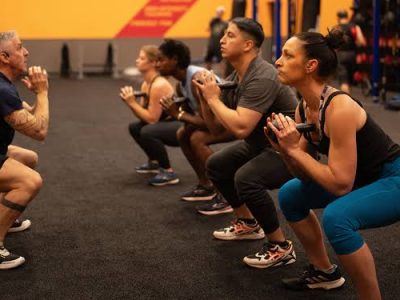
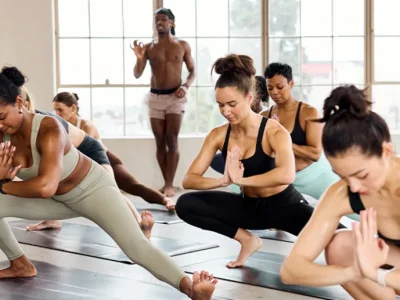
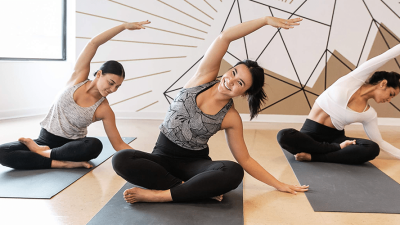
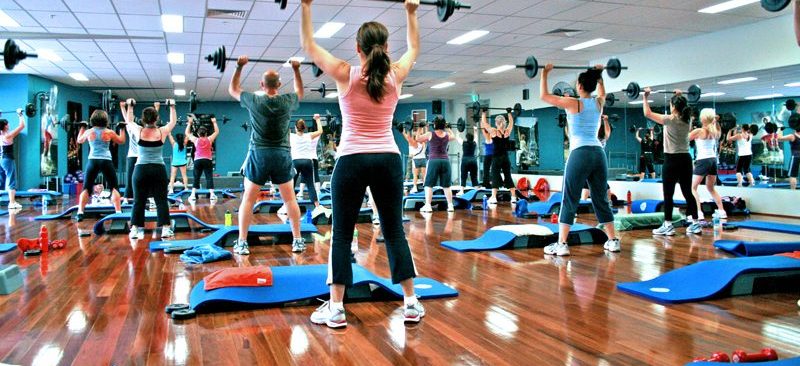
Group fitness activities are structured exercise sessions performed with multiple participants under guidance from an instructor or leader.
Common examples include:
- Yoga classes
- Zumba or dance workouts
- Strength training circuits
- Cycling sessions
- Outdoor boot camps
- Walking or running clubs
These activities combine movement, structure, and community support to improve overall health.
Increased Motivation and Consistency
One of the strongest advantages of group fitness is improved commitment.
Working out with others helps:
- Build routine discipline
- Reduce missed workout sessions
- Increase enthusiasm
- Maintain long-term exercise habits
Seeing others stay active encourages you to stay engaged even on low-energy days.
Better Workout Structure and Guidance
Group sessions are usually led by trained instructors who plan balanced routines.
This helps participants:
- Follow proper exercise techniques
- Avoid injury risks
- Maintain correct posture
- Achieve balanced muscle engagement
Structured sessions remove guesswork from workouts, especially for beginners.
Social Connection Improves Mental Well-Being
Exercise becomes more enjoyable when shared with others.
Group fitness can:
- Reduce feelings of isolation
- Improve mood
- Increase confidence
- Encourage positive lifestyle habits
Social interaction during workouts often leads to stronger emotional health. 😊
Increased Accountability and Commitment
When people expect your presence, you are more likely to show up.
Group participation encourages:
- Regular attendance
- Goal tracking
- Shared progress support
- Healthy competition
This accountability improves consistency over time.
Suitable for All Fitness Levels
Many group activities are adaptable to different strength and experience levels.
Participants can:
- Adjust movement intensity
- Take rest when needed
- Progress gradually
- Learn from experienced members
This flexibility makes group workouts accessible to beginners and experienced individuals alike.
Improved Cardiovascular Health
Many group fitness sessions include aerobic movement that strengthens the heart.
Benefits include:
- Better circulation
- Increased stamina
- Improved lung capacity
- Lower stress levels
Regular participation supports long-term heart health. ❤️
Encourages Healthy Lifestyle Habits
People involved in group fitness often adopt healthier routines overall.
These may include:
- Better sleep patterns
- Improved nutrition choices
- Reduced sedentary behavior
- Increased daily movement
Positive habits tend to grow naturally within supportive environments.
Builds Confidence Through Shared Progress
Watching others improve creates motivation and belief in personal ability.
Over time, participants often experience:
- Increased self-confidence
- Stronger body awareness
- Greater physical independence
- Improved posture and balance
Progress becomes more noticeable when celebrated together.
Makes Exercise More Enjoyable
Enjoyment plays a major role in maintaining regular activity.
Group workouts:
- Add variety to routines
- Reduce boredom
- Create positive energy
- Make sessions feel shorter and more engaging
When exercise feels enjoyable, it becomes easier to stay consistent. 🎯
Supports Goal Achievement More Effectively
Shared fitness environments help individuals stay focused on measurable results.
Participants often achieve goals such as:
- Weight management
- Strength improvement
- Flexibility development
- Endurance building
Support from instructors and peers increases the likelihood of success.
Frequently Asked Questions (FAQs)
1. Are group fitness activities suitable for beginners with no experience?
Yes. Most group classes provide beginner-friendly variations so participants can start safely.
2. How often should someone attend group fitness sessions each week?
Attending three to five sessions weekly is generally effective for maintaining fitness progress.
3. Do group workouts help improve discipline compared to solo workouts?
Yes. Scheduled sessions and peer support often make it easier to stay consistent.
4. Can group fitness reduce workout-related anxiety?
Many people feel more comfortable exercising regularly when guided by instructors in supportive group settings.
5. Are outdoor group workouts as effective as indoor classes?
Both options provide similar physical benefits. Outdoor sessions also add fresh-air exposure and variety.
6. Is it necessary to join a gym for group fitness activities?
No. Many group workouts take place in parks, community centers, or virtual platforms.
7. How long does it take to notice benefits from group exercise routines?
Many participants begin experiencing improved energy, mood, and stamina within a few weeks of consistent participation.
Group fitness activities combine physical movement, social connection, and structured routines, making them one of the most effective and enjoyable ways to stay active over the long term. 🏃♀️