 By Cab Camper
Natural pain management focuses on reducing discomfort while supporting the body’s ability to heal itself. Many people experience recurring pain related to posture, stress, inflammation, or lifestyle habits. With the right combination of daily strategies, it is often possible to improve comfort without relying heavily on medication.
Consistent natural approaches can strengthen muscles, improve circulation, and support long-term recovery while helping maintain overall well-being. 🌿
Understanding Natural Pain Management
Natural pain management involves using non-pharmaceutical methods to reduce discomfort and improve physical function.
These strategies often focus on:
- Improving movement patterns
- Supporting muscle strength
- Reducing inflammation
- Enhancing relaxation
- Encouraging better posture
When practiced regularly, these approaches help the body respond more effectively to stress and strain.
Stay Physically Active With Gentle Movement
Movement is one of the most effective natural tools for reducing pain.
Helpful activities include:
- Walking
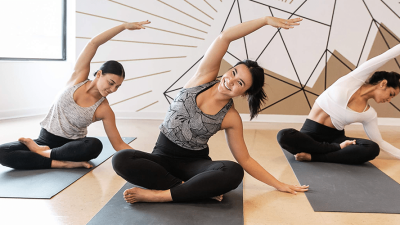
- Stretching routines
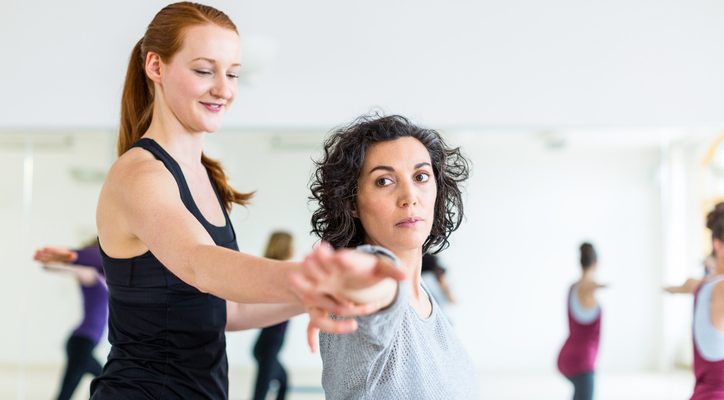
- Light yoga
- Mobility exercises
- Swimming or low-impact workouts
Regular movement improves blood flow and helps prevent stiffness that can worsen discomfort.
Use Heat Therapy for Muscle Relaxation
Heat therapy helps relax tight muscles and improve circulation.
Common methods include:
- Warm compresses
- Heating pads
- Warm showers
- Herbal steam treatments
Heat is especially helpful for muscle tension and chronic stiffness. 🔥
Apply Cold Therapy to Reduce Inflammation
Cold therapy is useful for managing swelling and recent injuries.
It can help:
- Reduce inflammation
- Slow nerve signaling
- Minimize swelling
- Ease joint discomfort
Cold packs are most effective during the early stages of pain after strain or injury.
Practice Stretching to Improve Flexibility
Stretching improves joint mobility and reduces pressure on surrounding tissues.
Regular stretching supports:
- Better posture
- Reduced muscle tightness
- Improved circulation
- Greater range of motion
Gentle daily stretching is especially helpful for neck, shoulder, and lower-back discomfort.
Improve Posture Throughout the Day
Poor posture is a common cause of recurring pain, especially in the back and shoulders.
Support healthy posture by:
- Keeping screens at eye level
- Sitting with back support
- Avoiding prolonged slouching
- Taking short movement breaks
Small adjustments can prevent long-term strain.
Manage Stress to Reduce Pain Sensitivity
Stress increases muscle tension and can intensify the perception of pain.
Helpful stress-reduction methods include:
- Deep breathing exercises
- Meditation
- Nature walks
- Listening to calming music
Relaxation techniques help the nervous system respond more calmly to discomfort. 🧘♂️
Try Massage for Muscle Recovery
Massage therapy improves circulation and reduces muscle stiffness.
Benefits include:
- Improved tissue relaxation
- Reduced tension buildup
- Faster recovery after activity
- Increased flexibility
Self-massage tools or professional sessions can both be helpful.
Support Pain Relief With Anti-Inflammatory Foods
Diet plays an important role in managing inflammation-related discomfort.
Helpful foods include:
- Leafy vegetables
- Nuts and seeds
- Fresh fruits
- Whole grains
- Healthy oils such as olive oil
Balanced nutrition supports the body’s natural healing response.
Maintain Healthy Sleep Habits
Sleep allows muscles and tissues to repair naturally.
Improve sleep quality by:
- Keeping a consistent bedtime routine
- Using supportive pillows and mattresses
- Avoiding late-night screen exposure
- Maintaining a calm sleep environment
Better sleep often leads to reduced pain intensity over time. 😴
Use Mind–Body Techniques for Pain Control
Mind–body approaches help regulate how the brain processes pain signals.
Effective techniques include:
- Guided relaxation
- Breathing exercises
- Visualization practices
- Gentle mindfulness routines
These strategies help reduce tension and improve emotional resilience.
Stay Hydrated to Support Muscle Function
Hydration supports joint lubrication and muscle flexibility.
Proper fluid intake helps:
- Prevent cramps
- Improve circulation
- Support nutrient delivery
- Maintain tissue elasticity
Drinking enough water daily contributes to overall comfort and mobility.
When Natural Strategies Work Best Together
Combining multiple approaches often produces stronger results than relying on one method alone.
An effective routine may include:
- Daily stretching
- Regular walking
- Balanced meals
- Heat therapy when needed
- Stress-management practices
Consistency plays the biggest role in long-term improvement.
Frequently Asked Questions (FAQs)
1. Can natural pain management methods replace medical treatment completely?
Natural strategies can support comfort and recovery, but medical evaluation is important for persistent or severe pain.
2. How quickly can natural pain relief methods show results?
Some techniques like stretching or heat therapy may provide immediate relief, while others require consistent practice over several weeks.
3. Are natural methods safe for older adults?
Most gentle approaches such as walking, stretching, and posture correction are safe when adjusted to individual ability levels.
4. Does hydration really influence pain levels?
Yes. Dehydration can increase muscle stiffness and contribute to discomfort in joints and soft tissues.
5. Can breathing exercises reduce physical pain?
Slow breathing helps relax muscles and calm the nervous system, which can reduce pain sensitivity.
6. Is daily stretching necessary for pain prevention?
Regular stretching helps maintain flexibility and reduces the likelihood of stiffness-related discomfort.
7. How do lifestyle habits affect long-term pain management success?
Consistent habits such as movement, sleep quality, nutrition, and stress control significantly influence how effectively the body manages pain over time.