
 By Cab Camper
Many adults are moving away from single-purpose fitness routines and looking for more balanced approaches. This is why yoga classes Singapore are increasingly being combined with strength training, mobility work and recovery practices. People want routines that help them feel capable, not just tired. The modern body faces mixed demands. Long sitting hours can create stiffness. Stress can affect breathing and sleep. Exercise can improve fitness, but without recovery it may also create fatigue. Combining yoga with strength and recovery work helps address these needs more completely.
Why one type of training may not be enough
A routine based only on intensity can build stamina but may overlook mobility and stress recovery. A routine based only on stretching may improve comfort but may not build strength. A routine based only on rest may not prepare the body for daily demands. Adults are recognising that health requires multiple qualities. They need strength to support posture and movement. They need mobility to move freely. They need recovery to adapt and avoid burnout. Yoga can connect these elements.
Yoga and strength training
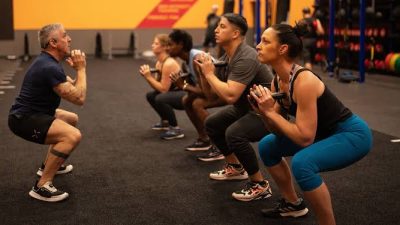
Yoga can complement strength training by improving body awareness, breath control and mobility. Strength training builds muscle and power, while yoga can help students move with better alignment and recover more effectively. Yoga also builds its own form of strength. Holding postures, balancing and moving slowly between shapes require control. This can support joint stability and core awareness, which are useful in other forms of exercise.
Recovery as a serious priority
Many adults are busy, stressed and under-rested. Adding more intense workouts without recovery can make the body feel worse. Recovery work helps the nervous system settle, reduces accumulated tension and supports better sleep. Yoga is effective here because it can be adapted. A slower class can support recovery after heavy training or demanding work. Breath-led practice can help calm the body. Gentle mobility can reduce stiffness without creating more strain.
A balanced weekly routine may include:
- Strength training for muscular development
- Yoga for mobility and breath awareness
- Recovery-based classes for stress relief
- Walking for light daily movement
- Rest days for adaptation
- Sleep-focused habits for energy
This type of balance is more sustainable than relying on intensity alone.
Mobility as the bridge between strength and recovery
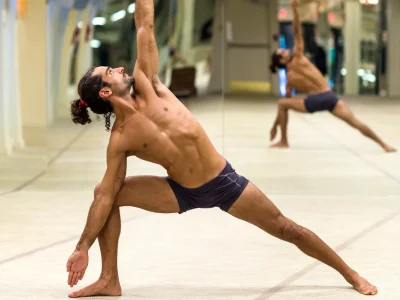
Mobility connects strength and recovery because it helps the body move well. A strong body that cannot move freely may feel restricted. A flexible body without control may feel unstable. Yoga supports usable mobility by combining range, strength and breath. This is particularly helpful for adults who sit for long hours. Hip mobility, spinal movement and shoulder opening can counter common desk-related patterns.
Breath control during effort
Breath is often overlooked in strength and fitness routines. People may hold the breath when lifting, rushing or concentrating. Yoga trains students to notice breath under effort. This can improve control and reduce unnecessary tension. Breath awareness also supports recovery. Slower breathing after effort helps the body transition out of high alert. This skill is useful both in training and daily life.
Avoiding burnout through smarter scheduling
A balanced routine requires smart scheduling. Adults should avoid stacking intense sessions without considering sleep, workload and energy. Yoga can be placed strategically throughout the week. For example, a stronger yoga class may pair well with a lower-pressure day. A restorative class may follow heavy training. A mobility session may be useful after long travel or sitting. The point is to make the routine responsive.
Why adults value guided classes
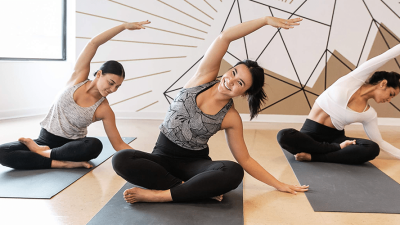
Guided classes provide structure. This is useful when combining different forms of training because students may not always know what the body needs. Teachers can offer cues, modifications and pacing. In a studio environment, students also get protected practice time. This helps them focus on recovery and awareness instead of rushing through movements at home.
A practical studio role
A practice environment such as Yoga Edition can support adults who want yoga to complement broader wellness routines. With guided classes, students can use yoga for mobility, recovery, breath and strength support without treating it as separate from their overall health goals. This integration is where yoga becomes most useful.
A complete approach to adult wellbeing
Singapore adults are combining yoga with strength and recovery work because they want routines that reflect real life. They need energy for work, mobility for comfort, strength for function and recovery for longevity. Yoga supports this complete approach by helping the body move better and the mind settle more easily. It does not need to replace other training. It can make the whole routine smarter, more sustainable and more balanced.