
 By Cab Camper
Protecting your joints doesn’t mean avoiding movement—it means choosing the right kind of movement. Low-impact exercises help maintain flexibility, strengthen supporting muscles, and reduce stress on joints like the knees, hips, shoulders, and spine. These exercises are especially valuable for people with arthritis, recovering injuries, sedentary routines, or anyone looking to stay active safely over the long term.
Unlike high-impact workouts that involve jumping or abrupt motion, low-impact activities keep one foot on the ground or reduce load on joints, making them ideal for sustainable fitness.
Why Joint Protection Matters
Healthy joints allow smooth movement and prevent discomfort during daily activities. Over time, repetitive strain, poor posture, excess body weight, or inactivity can weaken joint structures.
Low-impact exercises help by:
- Improving joint lubrication
- Strengthening supporting muscles
- Enhancing balance and stability
- Reducing stiffness and inflammation
- Supporting long-term mobility
Consistent gentle movement often works better than occasional intense workouts for joint health.
Key Benefits of Low-Impact Exercise 🌿
Choosing joint-friendly workouts provides several advantages:
- Reduced injury risk
- Better flexibility and range of motion
- Improved circulation around joints
- Stronger ligaments and muscles
- Easier recovery between sessions
- Suitable for all fitness levels and ages
These exercises are especially helpful for people managing conditions like mild arthritis or recovering after inactivity.
Best Low-Impact Exercises for Joint Protection
1. Walking 🚶♂️
Walking is one of the simplest and most effective joint-friendly activities.
Benefits include:
- Strengthens leg muscles
- Supports knee stability
- Improvs cardiovascular fitness
- Requires no special equipment
Start with 15–20 minutes daily and gradually increase duration.
2. Swimming and Water Aerobics 🌊
Water supports body weight, reducing pressure on joints while allowing full movement.
Advantages:
- Minimal stress on knees and hips
- Improves flexibility
- Enhances endurance safely
- Ideal for people with stiffness or pain
Even short sessions provide noticeable relief.
3. Cycling 🚴♀️
Stationary or outdoor cycling strengthens lower-body muscles without joint impact.
It helps:
- Build quadriceps strength
- Improve knee alignment
- Increase joint mobility
- Support heart health
Adjust seat height properly to avoid strain.
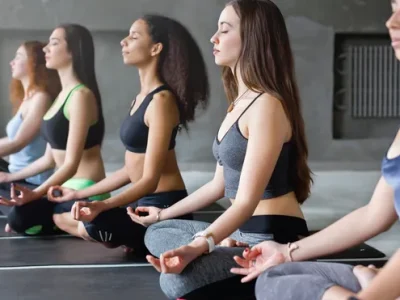
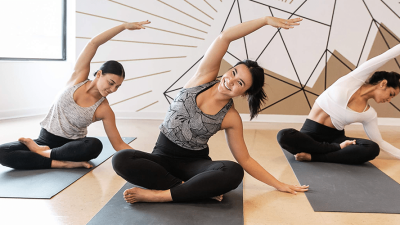
4. Yoga 🧘♀️
Gentle yoga improves both strength and flexibility while promoting relaxation.
Joint-friendly benefits:
- Improves posture
- Enhances balance
- Reduces stiffness
- Strengthens stabilizing muscles
Focus on slow transitions rather than intense poses.
5. Pilates
Pilates strengthens core muscles that support the spine and hips.
It helps:
- Improve body alignment
- Reduce back strain
- Strengthen deep stabilizing muscles
- Support joint coordination
Begin with beginner-level sessions to avoid overexertion.
6. Elliptical Training
Elliptical machines simulate walking without heavy joint loading.
Key benefits:
- Smooth motion protects knees
- Supports cardiovascular fitness
- Engages both upper and lower body
- Suitable for gradual progression
Start slowly and maintain controlled movement.
Tips for Exercising Without Joint Strain ⚖️
Protecting joints requires proper technique and planning.
Follow these essential strategies:
- Warm up before activity
- Maintain correct posture
- Wear supportive footwear
- Avoid sudden movements
- Increase intensity gradually
- Stay hydrated
- Rest when discomfort appears
Consistency matters more than intensity.
Who Should Choose Low-Impact Workouts?
These exercises are especially useful for:
- Older adults maintaining mobility
- Beginners starting fitness routines
- People recovering from injuries
- Individuals with joint sensitivity
- Office workers with sedentary lifestyles
Even athletes include low-impact training days to support recovery.
Sample Weekly Low-Impact Routine Plan 📅
A balanced routine improves joint strength safely:
Day 1: Walking (20 minutes)
Day 2: Yoga stretching session
Day 3: Cycling (15–25 minutes)
Day 4: Rest or gentle mobility exercises
Day 5: Swimming or water aerobics
Day 6: Pilates session
Day 7: Light walking + stretching
Adjust intensity according to comfort level.
Common Mistakes to Avoid
Avoid these habits that may reduce exercise benefits:
- Skipping warm-ups
- Exercising through sharp pain
- Using improper footwear
- Increasing intensity too quickly
- Ignoring posture alignment
Listening to your body prevents setbacks.
Long-Term Joint Protection Strategies 🌟
Exercise works best when combined with supportive lifestyle habits:
- Maintain healthy body weight
- Stay physically active daily
- Stretch regularly
- Strengthen surrounding muscles
- Eat nutrient-rich foods supporting bones and cartilage
Small daily choices make a lasting difference.
FAQs About Low-Impact Exercises for Joint Protection
1. How often should I do low-impact exercises for joint health?
Most people benefit from 30 minutes of activity at least five days per week, depending on comfort and fitness level.
2. Can low-impact exercise reduce joint stiffness?
Yes. Regular movement improves circulation and lubrication inside joints, reducing stiffness over time.
3. Are low-impact workouts suitable for beginners?
Absolutely. They are ideal starting points because they minimize injury risk while building strength gradually.
4. Is stretching necessary before low-impact exercise?
Yes. Gentle stretching prepares muscles and joints, improving flexibility and preventing strain.
5. Can these exercises help protect knee joints specifically?
Yes. Activities like cycling, walking, and swimming strengthen muscles around the knee and improve stability.
6. How long before I notice improvements in joint comfort?
Many people experience reduced stiffness within 2–4 weeks of consistent practice.
7. Should I stop exercising if I feel mild discomfort?
Mild soreness is normal initially, but sharp or persistent pain should be evaluated before continuing the routine.