 By Cab Camper
Strength training doesn’t require expensive memberships or complex equipment. With the right approach, you can build muscle, improve endurance, and increase functional strength at home or outdoors using simple movements and consistency. Many effective exercises rely only on body weight and everyday surroundings.
Training outside a gym environment also encourages flexibility in scheduling, saves time, and promotes long-term habit formation.
Why Strength Training Matters
Strength is not just about muscle appearance—it supports overall health and daily function. Regular resistance-based movement helps protect joints, improves posture, and increases metabolic efficiency.
Key benefits include:
- Stronger muscles and bones
- Better balance and coordination
- Reduced risk of injury
- Improved posture
- Increased energy levels
- Support for healthy weight management
Even short sessions performed consistently can produce measurable progress.
Can You Build Muscle Without Equipment?
Yes. Muscles respond to resistance and progressive challenge, not just weights. Bodyweight exercises create resistance by using your own mass against gravity.
Strength improves when you:
- Increase repetitions gradually
- Adjust movement tempo
- Add holds or pauses
- Change angles of movement
- Extend workout duration over time
These adjustments allow continued progress without machines.
Best Bodyweight Exercises for Strength Building
1. Push-Ups
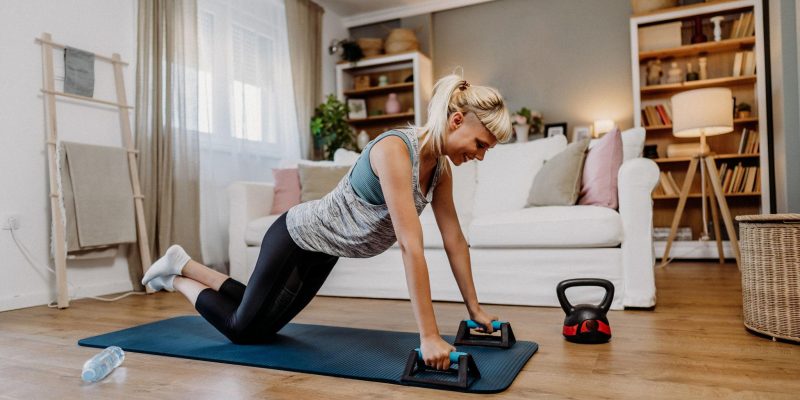
Push-ups strengthen the chest, shoulders, arms, and core simultaneously.
Benefits include:
- Builds upper-body strength
- Improves shoulder stability
- Engages core muscles
- Requires no equipment
Beginners can start with wall or knee push-ups.
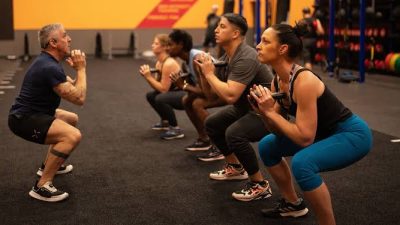
2. Squats
Squats strengthen the lower body and support daily mobility.
They help:
- Strengthen thighs and hips
- Support knee stability
- Improve posture
- Increase functional strength
Maintain controlled movement and proper alignment.
3. Lunges
Lunges improve balance while strengthening each leg individually.
Advantages include:
- Enhances coordination
- Builds hip stability
- Strengthens glutes and thighs
- Supports joint protection
Alternate legs slowly for better control.
4. Planks
Planks activate deep core muscles responsible for stability.
They support:
- Spine alignment
- Core endurance
- Shoulder strength
- Injury prevention
Hold for short intervals and increase gradually.
5. Glute Bridges
This exercise targets muscles that support the lower back and pelvis.
Benefits include:
- Strengthens hips
- Reduces lower-back strain
- Improves posture
- Enhances movement efficiency
Pause briefly at the top for better results.
6. Step-Ups
Step-ups simulate climbing movements and strengthen legs effectively.
They help:
- Improve balance
- Build thigh strength
- Increase endurance
- Support joint stability
Use stairs or a stable platform.
How to Create an Effective Home Strength Routine 📅
Consistency matters more than complexity. A simple weekly structure can deliver noticeable improvements.
Example routine:
Day 1
- Push-ups
- Squats
- Planks
Day 2
- Lunges
- Glute bridges
- Step-ups
Day 3
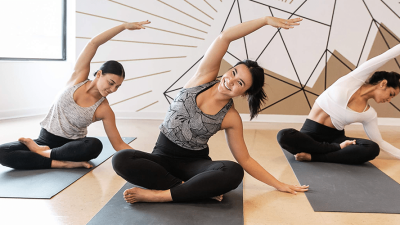
- Light stretching or walking
Repeat the cycle with gradual intensity increases.
Ways to Increase Strength Without Equipment
Progress happens when your muscles face new challenges.
You can increase difficulty by:
- Slowing down movement speed
- Adding extra repetitions
- Increasing sets
- Holding positions longer
- Reducing rest time between exercises
Small adjustments produce steady improvement.
Using Everyday Items as Resistance 🏠
Household objects can replace gym equipment effectively.
Examples include:
- Water bottles as light weights
- Backpacks filled with books
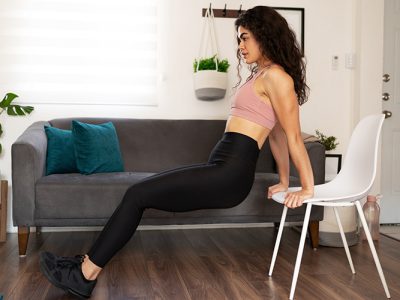
- Chairs for support exercises
- Walls for modified push-ups
- Stairs for step training
These tools help diversify workouts safely.
Importance of Recovery and Nutrition
Strength improves during recovery, not just during workouts.
Support your progress by:
- Sleeping 7–8 hours regularly
- Drinking enough water
- Eating protein-rich meals
- Including fruits and vegetables daily
- Allowing rest between sessions
Balanced habits enhance performance and prevent fatigue.
Common Mistakes to Avoid
Avoid these habits that slow progress:
- Skipping warm-ups
- Using poor posture
- Training the same muscles daily
- Rushing movements
- Ignoring recovery time
Proper technique protects joints and improves results.
Staying Motivated Without a Gym Environment 🌟
Motivation improves when workouts feel manageable and flexible.
Helpful strategies include:
- Setting weekly goals
- Tracking progress
- Exercising at the same time daily
- Choosing enjoyable movements
- Practicing short but regular sessions
Consistency builds confidence over time.
FAQs About Building Strength Without Going to the Gym
1. How long does it take to see strength improvements at home?
Most people notice early strength gains within 3–4 weeks when training consistently.
2. Is bodyweight training enough for long-term muscle growth?
Yes. Progressive bodyweight training can support strength development for months or even years when difficulty increases gradually.
3. How many days per week should I train for strength?
Training 3–4 days per week allows muscles to recover while supporting steady progress.
4. Do I need supplements to build strength at home?
No. A balanced diet with adequate protein and hydration is usually sufficient for most individuals.
5. Can beginners safely start strength training without supervision?
Yes. Starting with basic movements and proper posture helps beginners build strength safely.
6. Should I stretch after strength workouts?
Yes. Stretching supports flexibility, reduces stiffness, and improves recovery.
7. Is it possible to lose body fat while building strength at home?
Yes. Strength exercises increase muscle activity, which supports calorie use and body composition improvement over time.