
 By Cab Camper
Healthy teeth are not just about appearance—they support digestion, speech clarity, confidence, and overall well-being. Good oral care habits should evolve as your body changes through childhood, adulthood, and later life. With the right daily routines and preventive care, strong teeth can last a lifetime. 🦷
This guide explains practical, age-appropriate strategies to maintain dental health at every stage of life.
Why Oral Health Matters at Every Age
Your mouth reflects your overall health. Poor dental hygiene can increase the risk of:
- Gum infections
- Tooth decay
- Bad breath
- Tooth loss
- Complications linked with conditions such as diabetes and heart disease
Maintaining healthy teeth is less about occasional treatment and more about consistent daily habits.
Dental Care Tips for Children
Early habits shape lifelong oral health. Parents play a key role in guiding children toward healthy routines.
Encourage these habits early:
- Brush twice daily using a soft-bristled toothbrush
- Use a pea-sized amount of fluoride toothpaste after age 3
- Limit sugary snacks and sticky sweets
- Schedule regular dental checkups
- Teach proper brushing technique through supervision
Fluoride strengthens enamel and helps protect developing teeth from decay.
Oral Hygiene Tips for Teenagers
Teenagers often face unique dental challenges due to diet changes, braces, and lifestyle habits.
Support strong dental care by:
- Brushing for at least two minutes twice daily
- Flossing once every day
- Cleaning around braces carefully if orthodontic treatment is ongoing
- Avoiding excessive soda and energy drinks
- Wearing mouthguards during sports
Consistent routines during teenage years help prevent cavities that can affect long-term dental structure.
Maintaining Healthy Teeth in Adulthood
Busy schedules sometimes push oral care aside, but this stage is critical for preventing gum disease and enamel wear.
Daily adult dental care essentials:
- Brush twice daily with fluoride toothpaste
- Floss or use interdental cleaners
- Replace toothbrush every 3–4 months
- Stay hydrated to support saliva production
- Avoid tobacco use 🚭
Regular professional cleanings remove plaque buildup that brushing alone cannot eliminate.
Dental Care for Seniors
With age, oral tissues become more sensitive and certain medications may reduce saliva flow.
Helpful strategies for older adults include:
- Using fluoride mouth rinses if recommended
- Managing dry mouth with hydration
- Cleaning dentures properly each day
- Watching for signs of gum recession
- Continuing dental visits even with full dentures
Maintaining oral hygiene helps preserve comfort and nutrition in later years.
Everyday Habits That Protect Teeth at Any Age
Healthy teeth depend on small but consistent daily choices.
Simple habits that make a big difference:
- Brush twice daily for two minutes
- Floss regularly
- Reduce sugary snacks between meals
- Drink plenty of water 💧
- Eat calcium-rich foods like milk, yogurt, and leafy greens
- Include crunchy fruits and vegetables that naturally clean teeth
These habits strengthen enamel and reduce harmful bacterial buildup.
The Role of Diet in Dental Health
Nutrition plays a major role in protecting your smile.
Foods that support strong teeth:
- Dairy products for calcium
- Nuts and seeds for minerals
- Fresh fruits and vegetables for fiber
- Green leafy vegetables for vitamins
Foods to limit:
- Sugary beverages
- Sticky candies
- Frequent snacking on processed foods
Balanced nutrition supports gum strength and enamel repair.
Warning Signs You Should Not Ignore
Early detection prevents serious dental problems.
Watch for:
- Bleeding gums
- Persistent bad breath
- Tooth sensitivity
- Loose teeth
- Mouth sores that do not heal quickly
Consulting a dentist early can prevent more complex treatment later.
How Often Should You Visit the Dentist?
Routine dental visits help detect problems before symptoms appear.
Most people benefit from:
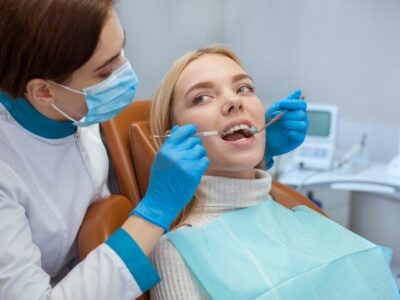
- Professional cleaning every six months
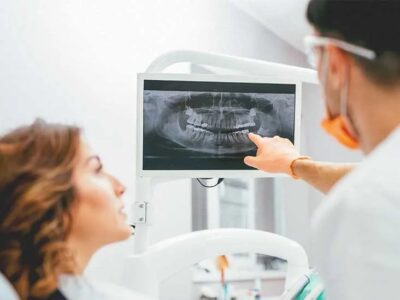
- X-rays when recommended
- Early treatment for gum inflammation
Preventive visits are more comfortable and cost-effective than emergency procedures later.
Frequently Asked Questions (FAQs)
1. At what age should children start brushing their teeth?
Cleaning should begin as soon as the first tooth appears using a soft brush and a tiny amount of toothpaste.
2. Can brushing too hard damage teeth?
Yes. Aggressive brushing can wear enamel and irritate gums. Use gentle circular motions instead.
3. Is mouthwash necessary for daily dental care?
Mouthwash can support oral hygiene but should not replace brushing and flossing.
4. What causes sudden tooth sensitivity?
Sensitivity may result from enamel wear, gum recession, cavities, or exposed tooth roots.
5. Are electric toothbrushes better than manual ones?
Electric toothbrushes can improve plaque removal, especially for people with limited hand movement or braces.
6. How does hydration affect dental health?
Saliva protects teeth by neutralizing acids. Drinking enough water supports natural mouth protection.
7. Can stress affect oral health?
Yes. Stress may lead to teeth grinding, jaw tension, and increased risk of gum disease.
Healthy teeth are the result of daily attention, smart nutrition, and regular professional care. No matter your age, small consistent steps today help protect your smile for years to come. 😊